Views
223
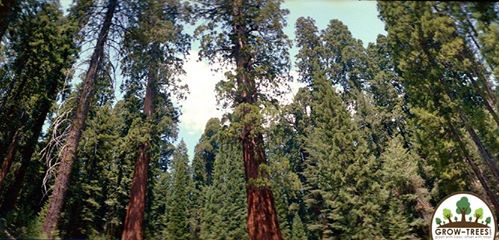
“Old-growth forest is one that has achieved great age without much disturbance and thereby exhibits unique ecological features. It is also known as primary forest, virgin forest, primeval forest, late seral forest and in Britain as ancient woodland.
Trees here can be from a few hundred to over a thousand years old. It has diverse tree structures that include multi-layered canopies and canopy gaps, varying tree heights and diameters and diverse tree species and classes and sizes of woody debris. All of this provides a diverse wildlife habitat that increases the bio-diversity of this forested ecosystem.
Due to its biological diversity, it is also home to many rare and endangered species of plants and animals which make it ecologically important. It serves as a reservoir for species that cannot thrive or easily regenerate in younger forest.
It stores large amounts of carbon both above and below ground. They together represent a very significant store of carbon and damaging these forests would release this carbon as greenhouse gases that may increase the risk of global climate change.
Logging in old-growth forests is controversial in many parts of the world. Excessive logging reduces biodiversity thereby affecting not only the forest itself but also indigenous species that rely upon the old-growth forest habitat.”
Subscribe to our newsletter and recieve a selection of our cool articles every week.
Copyrights @ 2025 All rights reserved by Pangea EcoNetAssets Pvt Ltd.